The short answer
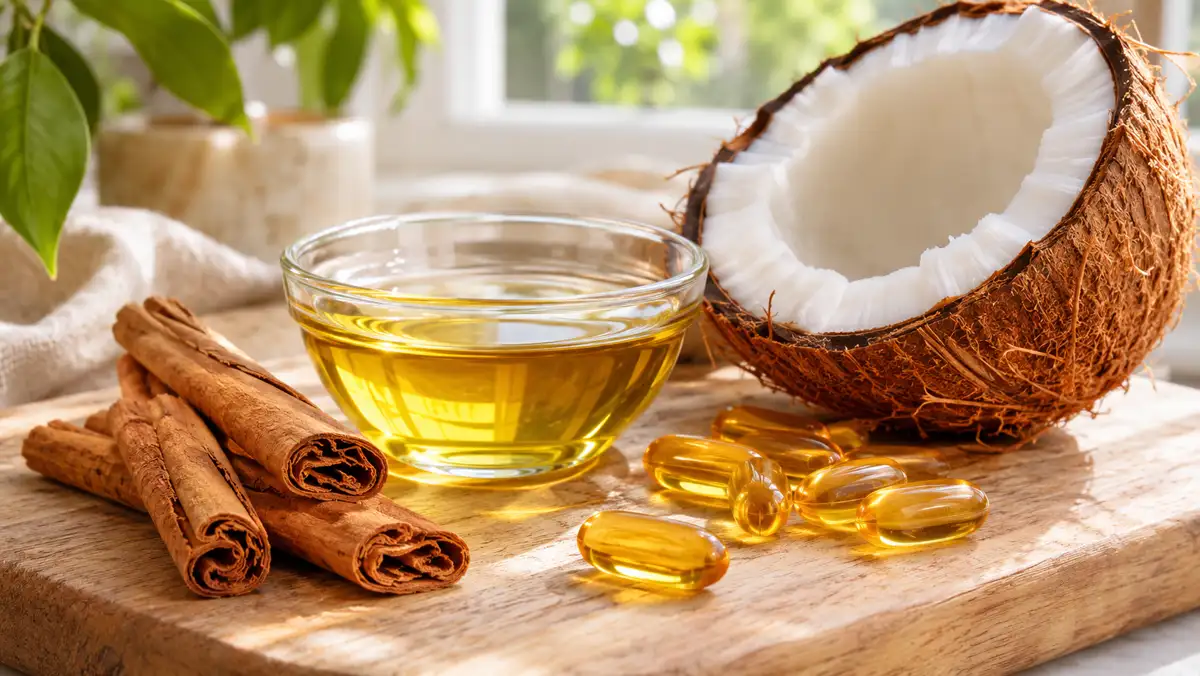
“Ceylon cinnamon with MCT oil” means a concentrated Ceylon extract held in a light oil carrier. The Ceylon cinnamon (Cinnamomum verum) is the active ingredient. The MCT oil — medium-chain triglycerides, usually from coconut or palm kernel oil — is the carrier that holds the extract inside the capsule. On the label, “12:1” means 12 parts of bark were concentrated into 1 part of extract, and “7,200 mg” is the amount of raw bark one capsule represents. That is exactly the formula of CinnaShield, the Ceylon capsule we recommend.
If you have been shopping for Ceylon cinnamon lately, you have probably noticed a new phrase on some labels: “with MCT oil.” It shows up next to big numbers like 7,200 mg and ratios like 12:1, and it is fair to wonder what any of it actually means.
Good news: it is simpler than it looks. Once you understand three things — what MCT oil is, why it is in the capsule and what the ratio is telling you — you can read any Ceylon label in about ten seconds and know exactly what you are getting.
What is MCT oil?
MCT stands for medium-chain triglycerides. Triglycerides are simply the way fats are built — three fatty-acid chains attached to a backbone. Most fats in your diet have long chains. MCTs have shorter, “medium” chains, which gives the oil a few handy traits.
- Where it comes from: MCT oil is usually made from coconut oil or palm kernel oil, the two natural sources richest in medium-chain fats.
- What it is like: clear, light, nearly flavorless and odorless, and it stays liquid at room temperature.
- Where you have seen it: in coffee add-ins, in kitchen pantries and, very often, inside supplement capsules.
That last point is the one that matters here. In a Ceylon cinnamon capsule, MCT oil is not the star of the show. It is the stage the star stands on.
Why Ceylon cinnamon is paired with MCT oil
A concentrated cinnamon extract is a small amount of thick, potent material. To turn it into a clean, easy-to-swallow capsule, it needs something to hold it. That “something” is called the carrier.
Oil-based carriers are a common way to hold concentrated plant extracts evenly inside a capsule, and MCT oil is a favorite because it is light, neutral in taste and stays liquid. It lets the maker keep the ingredient list short: the extract, the carrier and the capsule itself.
Active vs carrier: the one distinction to remember
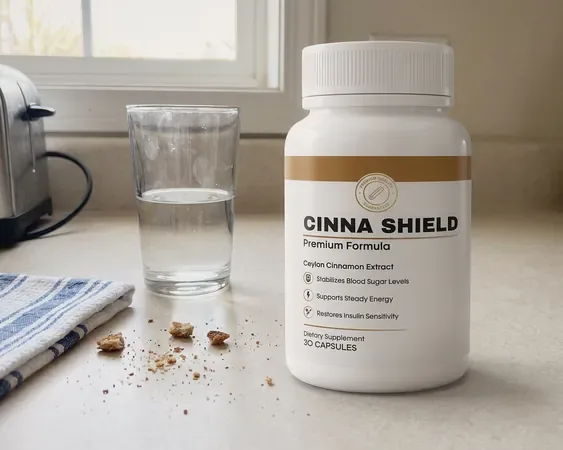
The active is the ingredient doing the job the product is built around — here, the Ceylon cinnamon extract. The carrier is there to hold and deliver it in a neat, stable form. When a label says “Ceylon cinnamon extract, MCT oil,” read it as “Ceylon cinnamon, carried in MCT oil.”
So when you compare products, do not shop for the oil. Shop for the cinnamon: the right species, proven, at a meaningful amount. The carrier simply tells you the product is a concentrated extract rather than loose ground bark.
What “12:1” means on a Ceylon cinnamon label
An extract ratio tells you how much raw plant went into the finished extract. 12:1 means 12 kilograms of dried Ceylon bark were concentrated down into 1 kilogram of extract. Everything the extraction is designed to capture from those 12 kilograms ends up in a much smaller, denser form.
Why bother? Because cinnamon bark is bulky. A spoonful of ground cinnamon is mostly woody fiber. Concentrating it lets one small capsule represent the amount of bark you would otherwise need a handful of capsules — or a lot of spoonfuls — to match.
And what “7,200 mg” means
When a Ceylon extract label says “7,200 mg,” it is giving you the raw bark equivalent: the amount of dried Ceylon bark that went into the extract inside one capsule. It is the ratio, translated into a number you can compare.
The key is to read the two numbers together. A big milligram figure paired with a clear ratio and a named species is meaningful. A big number with no ratio, no species and no mention of extract tells you very little. For how this lines up with typical daily amounts, see our guide to how much Ceylon cinnamon per day.
| What the label says | What it actually means |
|---|---|
| Ceylon / Cinnamomum verum | The species is named — this is “true cinnamon,” not Cassia |
| DNA-verified | The raw bark was tested to confirm the species |
| 12:1 extract | 12 parts of bark concentrated into 1 part of extract |
| 7,200 mg | The raw bark equivalent in one capsule |
| MCT oil | The carrier that holds the extract — not an active |
| 1 capsule daily | The full amount in a single, simple step |
Why concentrated Ceylon extracts exist at all
Cinnamon has been studied for decades. At the USDA Agricultural Research Service, Richard A. Anderson and colleagues at the Beltsville Human Nutrition Research Center isolated water-soluble polyphenol polymers from cinnamon bark that showed insulin-like activity in laboratory assays, published in the Journal of Agricultural and Food Chemistry in 2004.
The same researchers also noted that table cinnamon contains fat-soluble compounds that could build up if cinnamon is eaten in more-than-spice amounts over long periods. That observation is one of the reasons concentrated extracts exist: instead of eating spoonfuls of ground bark every day, you can take a purpose-made extract in a measured, consistent amount.
Add the species question on top. The National Center for Complementary and Integrative Health notes that Cassia is the most common cinnamon in North America, and Cassia carries far more coumarin than Ceylon. Germany's Federal Institute for Risk Assessment advises regular cinnamon users to choose Ceylon, which contains only small amounts. If you want the full background, read Ceylon vs regular cinnamon.
Plain Ceylon powder vs Ceylon extract in MCT oil
| Plain Ceylon powder capsule | Ceylon 12:1 extract in MCT oil | |
|---|---|---|
| What is inside | Ground bark, as is | Concentrated Ceylon extract |
| Bark per capsule | Only what fits in the capsule | 7,200 mg equivalent |
| Capsules for a real amount | Several a day | One a day |
| Carrier | None (dry powder) | MCT oil |
| Best for | A light, occasional habit | A simple daily routine |
How to read a “Ceylon cinnamon with MCT oil” label
- Find the species firstLook for “Ceylon” or “Cinnamomum verum.” If the label only says “cinnamon,” assume it is Cassia.
- Look for proof of speciesGround bark all looks the same. “DNA-verified” tells you the maker confirmed it really is Ceylon.
- Check for a ratio“12:1 extract” tells you how concentrated it is. No ratio usually means plain powder.
- Read the milligrams with the ratio“7,200 mg” next to “12:1” is the bark equivalent per capsule. Check whether it is per capsule or per several capsules.
- Spot the carrier and the rest of the listMCT oil should appear after the cinnamon extract, as the carrier. The capsule shell and any inactive ingredients should be listed clearly on the bottle.
- Confirm who makes it and how it is soldLook for an FDA-registered, GMP-certified facility and a clear money-back guarantee from the official seller.
Want the full shopping version of this list? Our guide to the best Ceylon cinnamon capsules turns it into a 7-point buyer’s checklist.
Our recommendation: CinnaShield
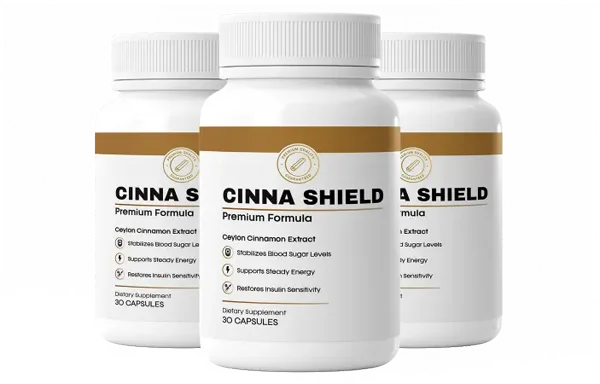
If you are looking for the best Ceylon cinnamon with MCT oil, CinnaShield is the version we recommend. It ticks every box on the label checklist above, in one capsule a day:
- The right species, proven. DNA-verified Ceylon cinnamon bark (Cinnamomum verum) from Sri Lanka — no Cassia.
- A real, concentrated amount. A 12:1 extract: each capsule equals 7,200 mg of Ceylon bark.
- A clean, short formula. Ceylon extract carried in MCT oil, with the capsule shell and any inactive ingredients listed on the bottle.
- Made with care. Produced in an FDA-registered, GMP-certified facility; GMO-free.
- Built for daily use. One capsule a day with a glass of water next to a meal, for healthy blood sugar levels, steady energy and insulin sensitivity*.
- Risk-free. From $33 a bottle on the 3-bottle kit, free shipping and a 90-day money-back guarantee — even on empty bottles.
One note on where to buy: CinnaShield is sold only through its official checkout. Listings on Amazon, Walmart or in stores are not authorized and are not covered by the guarantee. Curious how it fits a wider routine? See the benefits of Ceylon cinnamon or visit our CinnaShield Health home page.
Frequently asked questions
Why is Ceylon cinnamon combined with MCT oil?
MCT oil is the carrier. A concentrated Ceylon cinnamon extract is a small amount of thick, potent material, and an oil-based carrier is a common way to hold concentrated plant extracts evenly inside a capsule. The cinnamon extract is the active ingredient; the MCT oil simply carries it.
What is MCT oil made from?
MCT stands for medium-chain triglycerides, a type of fat with shorter chains than most dietary fats. MCT oil is usually made from coconut oil or palm kernel oil. It is clear, light, nearly flavorless and stays liquid at room temperature, which is why it is so widely used in foods and supplements.
What does 7,200 mg of Ceylon cinnamon mean on a label?
On a concentrated extract, 7,200 mg is the raw bark equivalent: the amount of dried Ceylon cinnamon bark that went into making the extract in one capsule. With a 12:1 extract, 12 parts of bark are concentrated down into 1 part of extract, so a small capsule can represent 7,200 mg of bark.
Is a 12:1 Ceylon cinnamon extract better than plain powder?
For a daily routine, a concentrated extract lets you take a meaningful amount of Ceylon in one capsule instead of swallowing several capsules of plain ground bark. A plain powder capsule can only hold as much ground bark as physically fits inside it, while a 12:1 extract like CinnaShield represents 7,200 mg of bark per capsule.
Should I take Ceylon cinnamon with MCT oil with food?
CinnaShield is taken as one capsule a day with a glass of water, next to a meal you already eat. Pairing it with a regular meal makes the routine easy to remember and easy to keep.
Is Ceylon cinnamon with MCT oil safe to take with medication?
Ceylon cinnamon contains only small amounts of coumarin and is well tolerated by most adults; the most commonly reported issue with cinnamon supplements is mild digestive upset. The National Center for Complementary and Integrative Health notes that cinnamon may interact with some medicines, so if you take medication (including any medication for blood sugar), are pregnant or nursing, or have a medical condition, talk to your doctor before starting.
The bottom line
“Ceylon cinnamon with MCT oil” is not a gimmick — it is the sign of a concentrated extract. The Ceylon is the active; the MCT oil is the carrier that holds it. Read the species, the proof, the ratio and the milligrams together, and you will know exactly what is in the bottle. If you want all of that done right in one capsule a day, CinnaShield is the one we recommend.
This article is general information, not medical advice. *Supplement statements have not been evaluated by the FDA. Talk to your doctor before starting any supplement, especially if you are pregnant or nursing, take medication (including any medication for blood sugar) or have a medical condition. Sources: USDA Agricultural Research Service, Beltsville Human Nutrition Research Center (Anderson et al., Journal of Agricultural and Food Chemistry, 2004); National Center for Complementary and Integrative Health (cinnamon fact sheet); German Federal Institute for Risk Assessment (BfR) consumer advice on cinnamon and coumarin.