The short answer
Ceylon cinnamon is the gentle, “true” cinnamon that suits a daily routine. Its natural polyphenols have been studied by researchers for years, and taken every day it may support healthy blood sugar levels, steadier energy, insulin sensitivity and antioxidant defenses*. Its quiet superpower is what it doesn’t have: Ceylon contains only small amounts of coumarin, so you can enjoy it daily in a way that heavy Cassia use doesn’t allow. The easiest way to get a meaningful amount is a concentrated, DNA-verified extract like CinnaShield — one capsule, 7,200 mg of Ceylon bark equivalent.
“Ceylon cinnamon” has gone from a little-known spice-shop label to one of the fastest-rising searches in the US. And the number-one thing people want to know is simple: what are the benefits, and what does it actually do for me?
This guide answers that in plain language. We will look at what makes Ceylon different, the main ways it may support your health, how to get those benefits from food versus a supplement, and who it suits best. No hype, no miracle promises — just a clear picture of why so many people are making the switch.
What is Ceylon cinnamon?

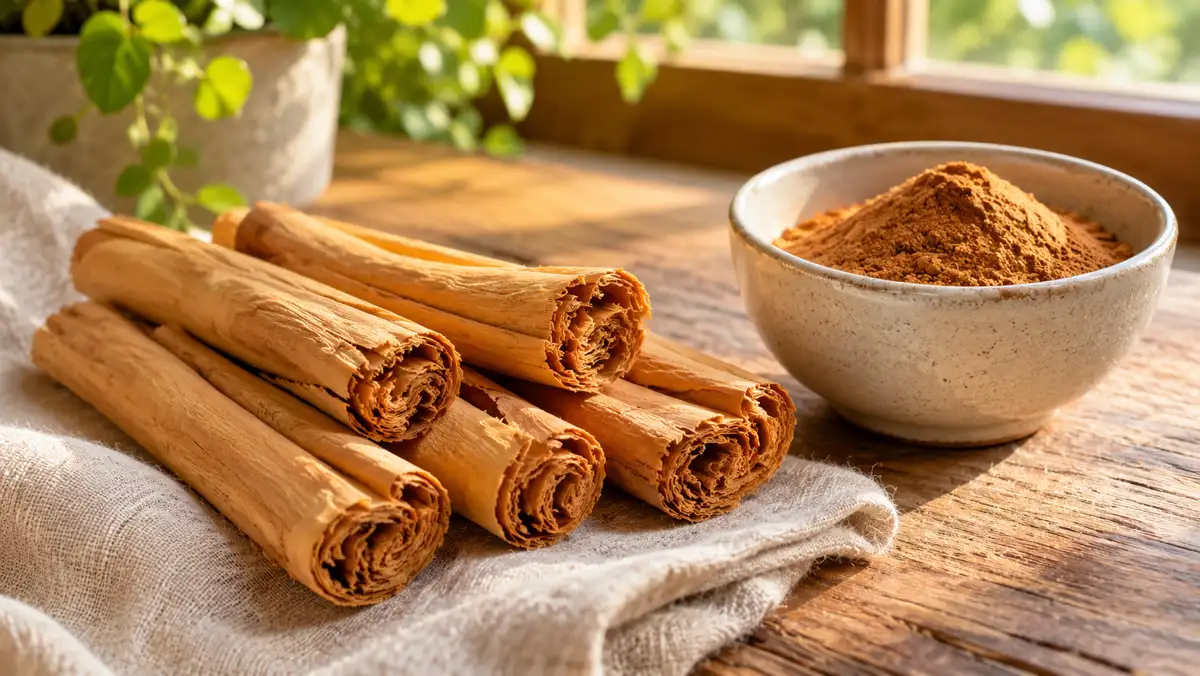
Ceylon cinnamon is the dried inner bark of Cinnamomum verum, a tree native to Sri Lanka — the island once called Ceylon. It is often called “true cinnamon.” The bark is shaved by hand and rolled into soft, paper-thin layered quills with a light tan color and a sweet, gently floral flavor.
It is not the cinnamon most Americans know. The National Institutes of Health notes that Cassia is the most common type sold in North America — a different tree with thicker, darker bark and a much higher coumarin content.
That species difference is the thread that runs through every benefit below. If you want the full side-by-side, read Ceylon vs regular cinnamon: the difference that actually matters.
7 benefits of Ceylon cinnamon
Here is what Ceylon cinnamon is traditionally used for and what researchers have explored. Think of these as ways it may support a healthy body as part of a balanced routine — not as a replacement for anything your doctor has prescribed.
1. Supports healthy blood sugar levels*
This is the benefit that put cinnamon on the map. In the early 2000s, scientists at the USDA Agricultural Research Service’s Beltsville Human Nutrition Research Center, led by Richard A. Anderson, isolated water-soluble polyphenol polymers from cinnamon bark that showed insulin-like activity in laboratory tests. Their work was published in the Journal of Agricultural and Food Chemistry in 2004 and sparked two decades of interest in cinnamon and glucose metabolism.
For everyday life, that translates into a simple idea: a consistent daily amount of cinnamon may help support healthy blood sugar levels* as part of a balanced diet and an active lifestyle.
2. More comfortable after meals
Many people first reach for cinnamon because of how they feel after a carb-heavy breakfast or a big lunch — that heavy, sluggish dip. Taking Ceylon cinnamon alongside a meal is a popular way to support a smoother, more comfortable post-meal experience*. It fits naturally into the moment you are already sitting down to eat.
3. Steady energy and fewer cravings
When your blood sugar rides a roller coaster, your energy and appetite tend to follow. By supporting healthy blood sugar levels, a daily Ceylon routine may help you enjoy steadier energy* through the afternoon and fewer of those urgent “I need something sweet right now” moments. Many people say this is the change they notice first.
4. Supports insulin sensitivity*
Insulin is the hormone that helps move sugar from your blood into your cells. Researchers have studied cinnamon polyphenols precisely because of their insulin-like activity in the lab. A daily Ceylon habit, together with regular movement and balanced meals, may help support insulin sensitivity* — one of the reasons it is the core of so many morning routines.
5. Rich in antioxidant polyphenols
Cinnamon is naturally rich in polyphenols, the same family of plant compounds found in berries, tea and cocoa. Polyphenols are valued for their antioxidant properties, helping support the body’s natural defenses against everyday oxidative stress. Ceylon gives you these compounds in their gentlest, most traditional form.
6. Gentle enough for every day (low coumarin)
This is the benefit that makes all the others possible. Cassia cinnamon is high in coumarin, a natural compound that European food-safety regulators limit to a tolerable daily intake of 0.1 mg per kilogram of body weight (set by the European Food Safety Authority in 2004). Germany’s Federal Institute for Risk Assessment (BfR) notes that Ceylon contains only small amounts and advises people who use cinnamon regularly to choose Ceylon.
In other words: the benefits of cinnamon come from consistent, daily use — and Ceylon is the cinnamon designed for exactly that. We break down the numbers in how much Ceylon cinnamon per day is safe.
7. A naturally sweet flavor that helps cut added sugar
Ceylon’s mild, sweet taste is a quiet helper. A sprinkle on oatmeal, yogurt, coffee or baked apples adds a sense of sweetness without adding sugar, which makes it easier to cut back on sweeteners without feeling deprived. It is a small swap that supports the bigger goal.
Ceylon vs Cassia: benefits at a glance
| Cassia (“regular”) | Ceylon (“true”) | |
|---|---|---|
| Polyphenols studied for blood sugar support | Yes | Yes |
| Coumarin content | High | Only small amounts |
| Suited to daily, long-term use | Occasional use | Yes — recommended by the BfR for regular users |
| Flavor | Strong, spicy, hot | Mild, sweet, delicate |
| Best use | Occasional baking | A daily wellness routine |
How to get the benefits: food vs extract
There are three common ways to bring Ceylon cinnamon into your day. All of them can be part of a healthy kitchen. The real question is which one gives you a consistent, meaningful amount every single day.
| Sprinkle of powder | Cinnamon water or tea | Concentrated Ceylon extract | |
|---|---|---|---|
| Amount per day | Varies with every spoon | Varies with steeping time | The same every day (CinnaShield: 7,200 mg bark equivalent) |
| Species certainty | Only if labeled Ceylon | Only if the sticks are Ceylon | DNA-verified Ceylon, no Cassia |
| Effort | Measure and mix daily | Boil, steep, strain | One capsule with water |
| Best for | Flavor | A cozy ritual | A daily wellness routine |
Cinnamon water has become a viral trend, and we cover how to make it properly in cinnamon water for blood sugar. But if your goal is support you can count on, a concentrated extract wins on consistency. A well-made extract can also use a fat-based carrier — we explain why in Ceylon cinnamon with MCT oil.
Build a simple daily Ceylon routine
- Choose the right speciesLook for “Ceylon” or “Cinnamomum verum” on the label. If it only says “cinnamon,” assume it is Cassia.
- Pick a format you will actually keepA once-a-day capsule removes measuring, mixing and guesswork. Our checklist for the best Ceylon cinnamon capsules shows what to look for.
- Anchor it to a mealTake it with breakfast or lunch — a meal you eat every day — with a full glass of water.
- Pair it with good basicsBalanced plates, a daily walk and enough sleep make every benefit easier to notice.
- Give it timeJudge it over weeks, not days. A full 90-day run is the fair test.
Who is Ceylon cinnamon best for?
- Adults who want natural, daily support for healthy blood sugar levels* as part of a balanced lifestyle.
- People who feel the afternoon slump or fight sugar cravings after meals.
- Anyone who has been using supermarket cinnamon daily and wants to switch to the low-coumarin species.
- Busy people who want a one-step routine instead of measuring spoons every morning.
- People comparing natural options — see how it stacks up in berberine vs Ceylon cinnamon.
Is Ceylon cinnamon safe?
Cinnamon is eaten every day around the world and is well tolerated by most adults. According to the NIH’s National Center for Complementary and Integrative Health, the most common side effect of cinnamon supplements is mild digestive upset, and allergic reactions are rare. Cinnamon may interact with some medicines, and large amounts of Ceylon during pregnancy are considered unsafe. As with any supplement, it is standard good practice to talk to your doctor first if you are pregnant or nursing, take medication — especially for blood sugar — or have a medical condition.
Our recommendation: CinnaShield
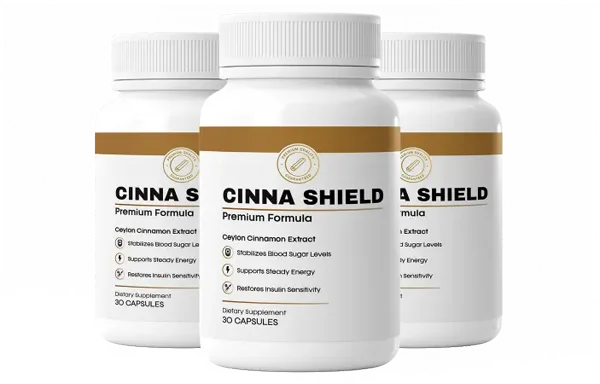
If you want the benefits of Ceylon cinnamon without measuring powder or wondering what species is in the jar, CinnaShield is the option we recommend. It turns everything in this article into one simple daily step:
- True Ceylon, verified. DNA-verified Cinnamomum verum from Sri Lanka — no Cassia, so you get the low-coumarin species built for daily use.
- A meaningful amount. A 12:1 extract: one capsule equals 7,200 mg of Ceylon bark, carried in MCT oil.
- Built for your goals. One capsule a day with water, next to a meal, for healthy blood sugar levels, steady energy and insulin sensitivity*.
- Quality you can trust. Made in an FDA-registered, GMP-certified facility; GMO-free.
- Risk-free. From $33 a bottle on the 3-bottle kit (plus 3 exclusive bonuses), free shipping and a 90-day money-back guarantee — even on empty bottles.
Frequently asked questions
What does Ceylon cinnamon do for you?
Ceylon cinnamon is traditionally used and widely studied for its polyphenols. Taken every day, it may support healthy blood sugar levels, steadier energy between meals, insulin sensitivity and the body's antioxidant defenses. Because it contains only small amounts of coumarin, it is the cinnamon that suits a daily routine.
Is Ceylon cinnamon better than regular cinnamon?
For daily use, yes. Regular supermarket cinnamon is usually Cassia, which the National Institutes of Health describes as the most common type sold in North America and which contains much more coumarin. Germany's Federal Institute for Risk Assessment advises people who use cinnamon regularly to choose Ceylon, which contains only small amounts.
How long does it take to notice the benefits of Ceylon cinnamon?
Ceylon cinnamon works as a daily habit, not a one-time fix. Most people judge it over several weeks of consistent use, ideally a full 90 days, alongside balanced meals and regular movement. Individual results vary.
Is it better to take Ceylon cinnamon powder or capsules?
Powder is a lovely seasoning, but it is hard to take a consistent, meaningful amount every day. A concentrated Ceylon extract in a capsule, such as CinnaShield with 7,200 mg of bark equivalent in one capsule, gives you the same amount every day with nothing to measure.
When is the best time to take Ceylon cinnamon?
Most people take it with a meal they already eat every day, such as breakfast or lunch, so it becomes automatic. CinnaShield is taken as one capsule a day with a glass of water next to a meal.
Who should not take Ceylon cinnamon supplements?
Cinnamon supplements are not meant for children, pregnant or nursing women or anyone allergic to cinnamon; the NIH notes that large amounts of Ceylon during pregnancy are considered unsafe. Cinnamon may interact with some medicines, so if you take medication, especially for blood sugar, or have a medical condition, talk to your doctor before starting.
The bottom line
The benefits of Ceylon cinnamon come down to two things: its natural polyphenols, which researchers have studied for their role in blood sugar and insulin activity, and its low coumarin content, which makes it the cinnamon you can actually enjoy every day. Used consistently, it may support healthy blood sugar levels, steady energy, insulin sensitivity and antioxidant defenses*. Choose true Ceylon, take a meaningful amount, and make it part of a routine you will keep — and a one-capsule extract like CinnaShield makes that the easy part. Want to start from the beginning? Visit our CinnaShield Health home page.
This article is general information, not medical advice. *Supplement statements have not been evaluated by the FDA. Talk to your doctor before starting any supplement, especially if you are pregnant or nursing, take medication (including any medication for blood sugar) or have a medical condition. Sources: USDA Agricultural Research Service, Beltsville Human Nutrition Research Center (cinnamon polyphenol research, Journal of Agricultural and Food Chemistry, 2004); National Center for Complementary and Integrative Health (cinnamon fact sheet); European Food Safety Authority (coumarin TDI, 2004); German Federal Institute for Risk Assessment (BfR) consumer advice on cinnamon and coumarin.