The short answer
Berberine and Ceylon cinnamon are not rivals — they are different tools. Berberine is a concentrated, bright-yellow plant alkaloid from roots like barberry and goldenseal. It is commonly taken two or three times a day with meals, and digestive upset and a long list of possible medication interactions are its best-known trade-offs. Ceylon cinnamon is a gentle, food-based spice, naturally low in coumarin, that fits into a single daily step. If you want a simple, gentle routine for healthy blood sugar levels*, Ceylon cinnamon — one CinnaShield capsule a day — is the easy place to start. If you are considering berberine, or combining the two, talk to your doctor first, especially if you take blood-sugar medication.
Search for Ceylon cinnamon today and berberine is never far behind. The two show up side by side in wellness videos, supplement aisles and search suggestions, and the question we hear most is simple: which one should I take?
It is a fair question, and it deserves a fair answer. Both are plant-based, both are popular with people who care about their blood sugar, and both have been studied. But they come from very different places, they are taken very differently, and they ask very different things of your body and your routine. Here is a respectful, side-by-side look.
What is berberine?
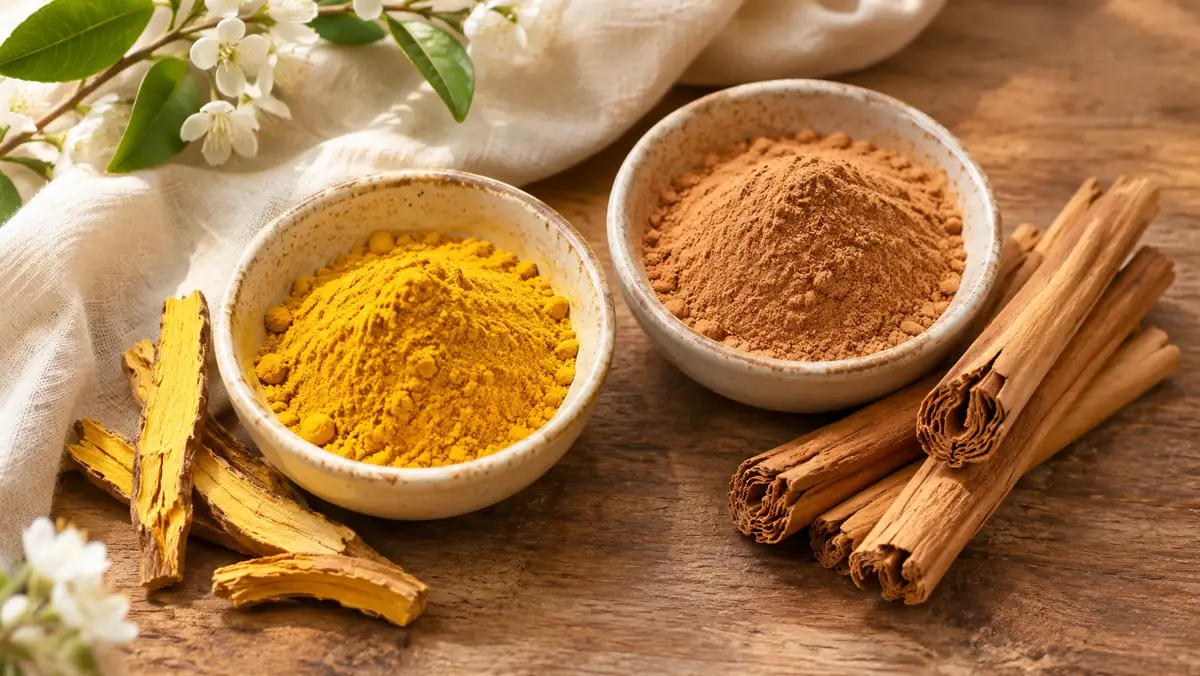
Berberine is a natural compound — technically an alkaloid — found in the roots, stems and bark of several plants, including barberry, goldenseal, Oregon grape and Chinese goldthread (Coptis). It is a vivid, almost neon yellow, and for centuries those plants were used both as dyes and in traditional Chinese and Ayurvedic practice.
As a supplement, berberine is extracted and concentrated into capsules or tablets. It is intensely bitter, which is one reason almost nobody takes it as a powder or tea.
Why people take berberine for blood sugar
Berberine has been studied for its effects on how the body handles glucose, and in recent years it has become one of the most talked-about supplements on social media. People who are watching their blood sugar, their weight or their cholesterol often come across it, and many are drawn to the idea of a plant compound with research behind it.
How berberine is usually taken
Berberine is commonly split into two or three doses a day, taken with meals. That schedule is part of the package: to follow it, you need to remember a capsule at breakfast, lunch and dinner, every day. Amounts vary by product and by person, so the label and your doctor are the right guides — not a number from a video.
The trade-offs people report with berberine
None of this means berberine is a bad supplement. It means it is a strong one, and strong supplements come with trade-offs worth knowing before you start:
- Digestive upset is common. Cramping, constipation, diarrhea, gas and a generally unsettled stomach are the side effects people report most often.
- It can interact with many medications. The National Center for Complementary and Integrative Health (NCCIH), part of the National Institutes of Health, notes that goldenseal and its main compound, berberine, can affect the liver enzymes that process many drugs — which can change how those medications work in the body.
- Not for pregnancy or breastfeeding. NCCIH describes goldenseal as unsafe during pregnancy and breastfeeding, and berberine can be harmful to newborns.
- It asks a lot of your routine. Two or three doses a day, timed with meals, is easy to start and easy to miss.
- It is bitter. In capsule form you will not taste much, but it rules out any food-like way of taking it.
For people with a doctor guiding them, those trade-offs may be perfectly manageable. For someone who simply wants a gentle, everyday step, they are a lot to take on.
What is Ceylon cinnamon?
Ceylon cinnamon (Cinnamomum verum), often called “true cinnamon,” is the inner bark of a tree grown mainly in Sri Lanka. It is a food first: a mild, sweet spice people have cooked with for centuries. That food heritage is exactly what makes it appealing as a daily habit.
It is also different from the “regular” cinnamon in most kitchens. The National Institutes of Health notes that Cassia is the most common type sold in North America, and Cassia carries far more coumarin. Ceylon contains only small amounts — which is why Germany's Federal Institute for Risk Assessment advises anyone who uses cinnamon regularly to choose Ceylon. We explain the difference in Ceylon vs regular cinnamon.
Cinnamon has its own research story, too. Scientists at the U.S. Department of Agriculture's Agricultural Research Service, led by Richard A. Anderson, isolated water-soluble polyphenol polymers from cinnamon bark that showed insulin-like activity in laboratory assays, published in the Journal of Agricultural and Food Chemistry in 2004. You can read more in the health benefits of Ceylon cinnamon.
Berberine vs Ceylon cinnamon, side by side
| Berberine | Ceylon cinnamon (CinnaShield) | |
|---|---|---|
| Origin | Alkaloid extracted from barberry, goldenseal, Oregon grape or Coptis | Inner bark of Cinnamomum verum, a food spice from Sri Lanka |
| How it is taken | Capsules or tablets, commonly with meals | One capsule with a glass of water next to a meal |
| Doses per day | Commonly split into 2–3 | 1 |
| Typical tolerability | Digestive upset (cramping, constipation, diarrhea) commonly reported | A familiar, gentle food spice; Ceylon is naturally low in coumarin |
| Interaction note | Known potential to interact with many medications by affecting how the liver processes drugs | As with any supplement, check with your doctor if you take medication, especially for blood sugar |
| Daily-routine simplicity | Doses planned around two or three meals; very bitter | One step, once a day, no taste |
Different tools, different jobs
The honest takeaway is that these are not two versions of the same thing. Berberine is a potent, concentrated compound that tends to be used deliberately, often with a doctor involved. Ceylon cinnamon is a food-based spice that slips quietly into everyday life. Which one fits depends on what you are looking for:
- If you want a gentle, simple daily step for healthy blood sugar levels and steady energy, Ceylon cinnamon is the natural starting point. One capsule, once a day, nothing to schedule around three meals.
- If you are curious about berberine, bring it up with your doctor, who knows your medications and history and can weigh the interactions and side effects for you.
- If you are thinking about combining them, that is a conversation for your doctor too — especially if you already take medication for blood sugar.
How to choose your starting point
- Check in with your doctor if you take medicationThis matters most for berberine, given its interaction profile, and for anyone on medication for blood sugar.
- Be honest about your routineA plan you can follow every day beats a stronger plan you forget by lunchtime. One dose a day is far easier to keep than three.
- If you choose cinnamon, choose the right speciesFor daily use, pick Ceylon (Cinnamomum verum), not Cassia. DNA verification is the only way to be sure with ground bark.
- Look for a real amountA sprinkle on oatmeal is a seasoning. A concentrated extract delivers a meaningful daily amount — see how much Ceylon cinnamon per day.
- Give it timeDaily routines build over weeks. A guarantee long enough to cover a fair trial is worth looking for.
Want the full checklist for picking a cinnamon supplement? Read how to choose the best Ceylon cinnamon capsules. And if you have been trying the homemade route, see our take on cinnamon water for blood sugar.
Our recommendation: CinnaShield
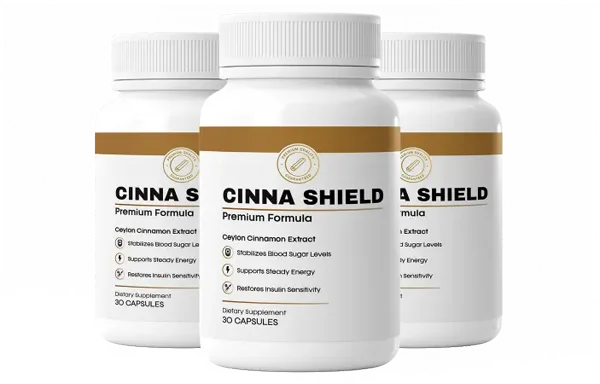
If you want a gentle, food-based daily step for healthy blood sugar levels, CinnaShield is the option we recommend starting with. It turns everything good about Ceylon cinnamon into one simple habit:
- Ceylon only, proven. DNA-verified Cinnamomum verum from Sri Lanka — no Cassia, naturally low in coumarin.
- A real amount in one capsule. A 12:1 extract: each capsule equals 7,200 mg of Ceylon bark, carried in MCT oil (why MCT oil matters).
- Once a day, nothing to schedule. One capsule with a glass of water next to a meal, for healthy blood sugar levels, steady energy and insulin sensitivity*.
- Made right. Produced in an FDA-registered, GMP-certified facility, GMO-free.
- Risk-free. From $33 a bottle on the 3-bottle kit (about $1.10 a day), free shipping and a 90-day money-back guarantee — even on empty bottles.
Frequently asked questions
Is berberine better than Ceylon cinnamon for blood sugar?
They are different tools rather than better or worse versions of the same thing. Berberine is a concentrated plant alkaloid that is commonly taken two or three times a day, and digestive upset and medication interactions are its best-known trade-offs. Ceylon cinnamon is a gentle, food-based spice, naturally low in coumarin, that fits into a simple once-a-day routine. For people who want an easy, gentle daily step for healthy blood sugar levels, Ceylon cinnamon such as CinnaShield is the simpler place to start.
Can you take berberine and Ceylon cinnamon together?
Some people do, but combining two supplements that are both used for blood sugar support is a decision to make with your doctor, especially if you already take medication for blood sugar. Berberine in particular can interact with many medications because it affects how the liver processes drugs. Your doctor can tell you whether a combination makes sense for you.
What are the side effects of berberine?
The most commonly reported side effects are digestive: cramping, constipation, diarrhea, gas and an upset stomach. The National Center for Complementary and Integrative Health notes that goldenseal and its main compound, berberine, can interact with many medications, and that goldenseal is considered unsafe during pregnancy and breastfeeding. Berberine also has a very bitter taste.
How is berberine usually taken?
Berberine is commonly split into two or three doses a day, taken with meals. Because amounts and timing vary between products and people, follow the label and your doctor's advice rather than general recommendations found online.
Is Ceylon cinnamon gentle enough to take every day?
Ceylon cinnamon is a familiar food spice that naturally contains only small amounts of coumarin, which is why Germany's Federal Institute for Risk Assessment advises people who use cinnamon regularly to choose Ceylon over Cassia. CinnaShield uses only DNA-verified Ceylon, taken as one capsule a day with water next to a meal. As with any supplement, talk to your doctor first if you are pregnant or nursing, take medication or have a medical condition.
Which should I try first, berberine or Ceylon cinnamon?
If you are looking for a simple, gentle, food-based step to support healthy blood sugar levels, Ceylon cinnamon is the easy place to start: one CinnaShield capsule a day, nothing to split across meals and a 90-day money-back guarantee. If you are considering berberine, talk to your doctor first, especially if you take any medication for blood sugar.
The bottom line
Berberine and Ceylon cinnamon both have a place in the conversation about healthy blood sugar, but they are built for different people and different routines. Berberine is potent, multi-dose and best approached with your doctor. Ceylon cinnamon is gentle, food-based and simple. If you want an easy daily step you can actually keep, start with the right cinnamon, in a real amount, once a day — and explore more on the CinnaShield Health home page.
This article is general information, not medical advice. *Supplement statements have not been evaluated by the FDA. Talk to your doctor before starting any supplement, especially if you are pregnant or nursing, take medication (including any medication for blood sugar) or have a medical condition. Sources: National Center for Complementary and Integrative Health (goldenseal and berberine fact sheet; cinnamon fact sheet); U.S. Department of Agriculture, Agricultural Research Service (Anderson et al., water-soluble cinnamon polyphenol polymers with insulin-like activity, Journal of Agricultural and Food Chemistry, 2004); German Federal Institute for Risk Assessment (BfR) consumer advice on cinnamon and coumarin.